



Second time working with Visaplace, and was successful again with a visa application for parents (2 out of 2). Worked with Felicita and Mansi, strong guidance, very detailed approach to putting together a very thorough and comprehensive application. Good feedback and support throughout the full process. Highly recommend Visaplace!

COVID PCR Tests Not Required for Fully Vaccinated Travellers to Canada
Officials stated that by the end of the month, Canada will no longer need fully vaccinated travelers to do a pre-arrival COVID-19 PCR test. Negative quick antigen or PCR test results will be accepted as of February 28 to fulfill admission criteria. These tests will need to be done by a laboratory or a healthcare […]

Latest COVID-19 Travel Restrictions in Canada
As of November 2022, there are no COVID-related travel restrictions when traveling to or from Canada. Since March 2020, Canada has experienced different closures, travel restrictions, and processing changes due to COVID-19. More specifically, to stop the spread of the virus, travel restrictions have been put into place and altered a few times. Canadian officials […]

Becoming a Victim to Immigration Advanced Fee Fraud!
Every day foreign nationals across the nation are making the decision to start their immigration journey and we can’t stress enough how important is it to do it right the first time. Immigration processing can be long and complex, but it is worth it to thousands of individuals each year who are making Canada their […]
Are you ready to start your immigration process?
Book a ConsultationNot ready yet? Let us help you determine if you’re eligible!
Online Assessment
Flights from India to Canada Resume
Note: This article may be out of date and travel restrictions may have changed. Click here to explore the most recent updates and travel restrictions in Canada! More than 5 months after the second wave of Covid-19 hit India, Canada has officially removed the restriction on direct passenger flights from India. On Monday, September 27th, […]


US Extends Border Restrictions for Canadians Another 30 Days
Note: This article may be out of date and travel restrictions may have changed. Click here to explore the most recent updates and travel restrictions in the United States! The United States Department of Homeland Security has made the decision to extend US border restrictions until September 21st, 2021 due to the increase in cases […]
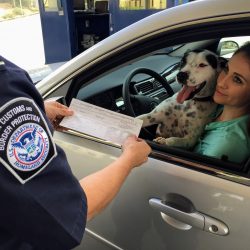
The US Extends Border Crossing Closure for Canadians
Note: This article may be out of date and travel restrictions may have changed. Click here to explore the most recent updates and travel restrictions in the United States or Canada! On Wednesday, July 21st, the United States government announced plans to extend the closure of land borders with both Canada and Mexico to August […]
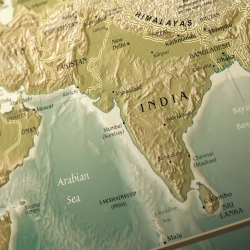
Canada Extends India Flight Ban
Note: This article may be out of date and travel restrictions may have changed. Click here to explore the most recent updates and travel restrictions in Canada! The first flight ban for any flights from India to Canada was imposed on April 22nd, 2021. Since then, there have been four extensions to the ban. Recently, […]

Checklist for Entering Canada in Spring 2021
The Canadian Border is open for several groups and types of individuals! If you are planning on visiting Canada or coming back home to Canada, there are several new travel requirements you must meet before entering Canada. Currently, Canada still has a restriction on people visiting Canada for tourism. If you are interested in finding […]

Travellers Required 3-Night Stay at Canadian Hotel
Note: This article may be out of date and travel restrictions may have changed. Click here to explore the most recent updates and travel restrictions in Canada! There are new travel measures being taken to help limit the spread of COVID-19 and its variants in Canada. The Canadian Government has kept the narrative that they […]

Common-Law Couple Separated at Border Due to Lack of Proof
When immigrating to Canada with your common-law partner, there are necessary requirements and proof that you must show to successfully cross the border together. Unfortunately, for some couples especially during these unpredictable times, lack of common-law partner proof has separated them. Canadian-American couple Stephen and Cathy were separated at the border in June 2020 because […]

Travel Restrictions Between Canada and US to be Extended
Note: This article may be out of date and travel restrictions may have changed. Click here to explore the most recent updates and travel restrictions in the United States or Canada! Both Canada and the United States have settled on a plan to extend the ban on all non-essential travel between the two countries through […]
Need to Enter Canada When the Borders are Closed? Get the VisaPlace Entry Package!
Do you want to enter Canada during its travel restrictions during COVID-19? You may be able to! VisaPlace is offering a special Entry Package offer to help you enter Canada while its borders are closed. Currently the Canadian border is closed to those who are not citizens, permanent residents, or have an essential reason to […]

New Self-Isolation Plan for Those Returning to Canada
Feb 2021 Update: As of Feb 3rd, new travel restrictions were put in place. Along with the negative COVID-19 test that is required before boarding your flight to Canada and 14-day quarantining there are a few new travel restrictions to stop the virus spread including a mandatory hotel stay, another COVID test, and more. Learn […]

Recent COVID-19 Travel Restrictions Affecting Foreign Nationals
Note: This article may be out of date and travel restrictions may have changed. Click here to explore the most recent updates and travel restrictions in Canada! Since the Coronavirus crisis broke nationwide, travel bans and restrictions have been instated. As we have done our best to keep you updated with the latest with these […]

Is Immigration Application Processing Being Delayed in Canada due to Coronavirus?
As the coronavirus also known as COVID-19 has been impacting Canadian immigration, immigration officials are still proceeding to accept and process immigration applications. Canada has recently refined the special coronavirus prevention measures affecting immigrants and their families. Immigration Refugee and Citizenship Canada (IRCC) is still processing immigration and citizenship applications, taking measures to avoid delays […]